
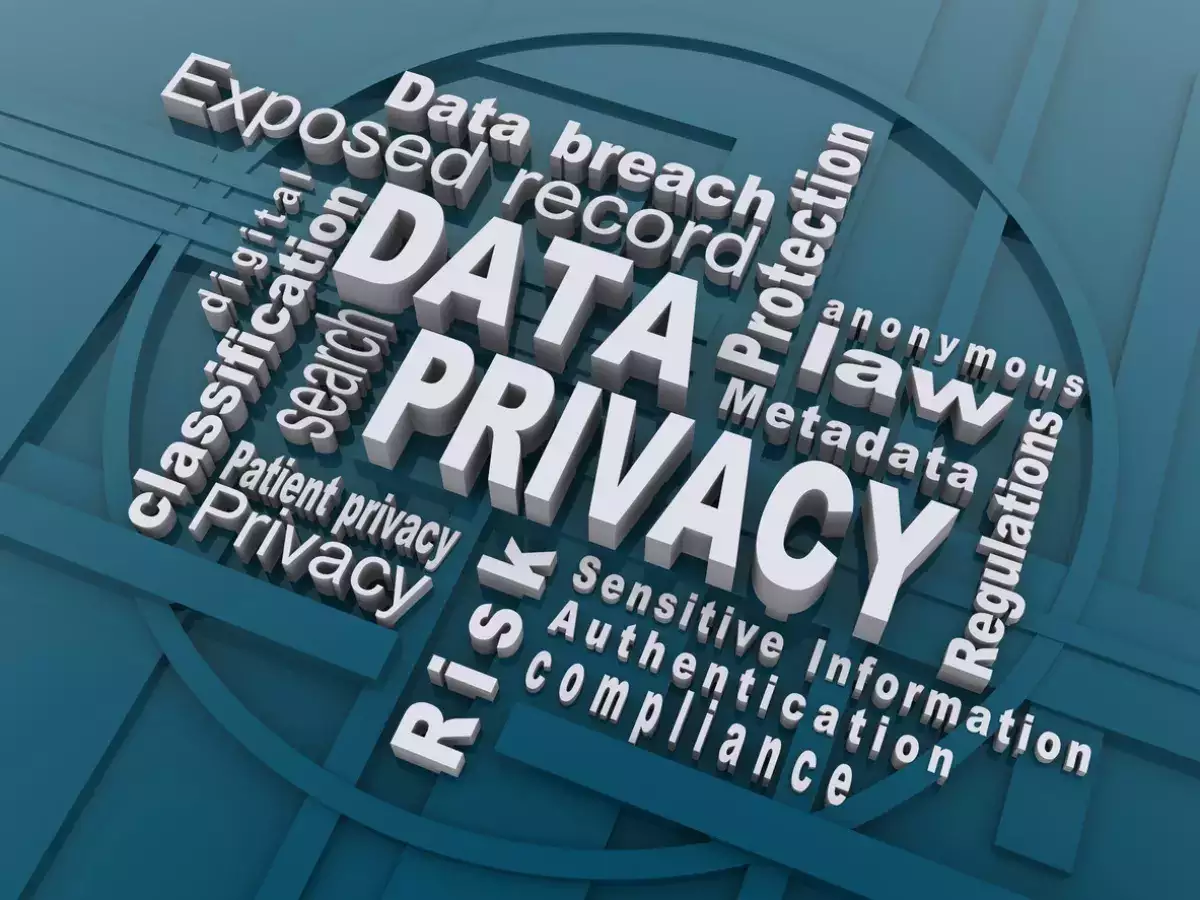
In the digital age, data is the new currency, and protecting it has become a critical concern. In India, safeguarding personal information is governed by evolving laws, most notably the Personal Data Protection Bill (PDPB) and the Information Technology Act of 2000. Understanding these laws, complying with their provisions, and implementing best practices are essential for businesses handling sensitive data.
Overview of Data Privacy Laws in India:
India's data privacy laws have evolved considerably, with the upcoming PDPB poised to become a cornerstone in data protection legislation. This bill emphasizes the rights of individuals over their data, outlines stringent consent requirements, and mandates data localization, impacting how businesses handle and process data.
Compliance Requirements:
Businesses must adhere to specific obligations to comply with Indian data privacy laws. Appointing a Data Protection Officer (DPO), conducting regular data audits, and implementing robust security measures are pivotal. Obtaining explicit consent for data collection and processing is a fundamental aspect, ensuring lawful data handling and processing practices.
Best Practices for Data Privacy Compliance:
To achieve compliance, businesses should establish comprehensive data protection policies and procedures. Employing encryption techniques, anonymizing or pseudonymizing data, and providing consistent employee training on data security measures are crucial. Regular data privacy assessments and audits help maintain compliance standards.
Impact on Businesses and Consumers:
Compliance with data privacy laws significantly impacts both businesses and consumers. Businesses face challenges in adapting to stringent regulations but also benefit from enhanced consumer trust and loyalty. Consumers gain increased transparency and control over their personal data, fostering greater trust in businesses handling their information.
Recent Developments and Future Trends:
Keeping abreast of recent developments is essential. Any amendments or updates to data privacy laws, especially the PDPB, can significantly affect compliance requirements. Businesses need to anticipate and adapt to future trends in data privacy regulations to maintain compliance and protect consumer data effectively.
Conclusion:
In conclusion, understanding and complying with data privacy laws in India is non-negotiable for businesses. By adopting best practices and prioritizing data protection, organizations not only adhere to legal requirements but also earn consumer trust, ensuring a safer and more reliable digital ecosystem for all.